The real estate industry is on the brink of a major transformation, one driven not by market cycles or investment trends, but by regulatory evolution and technological disruption. As governments tighten rules on data privacy, ownership transparency, AML (Anti-Money Laundering), RERA compliance, environmental sustainability, and digital transactions, traditional compliance models are struggling to keep up. Regulatory Automation in Real Estate is the necessity.
By 2026, real estate businesses developers, brokers, REITs, property managers, and housing finance companies will face unprecedented compliance complexity. Manual methods, fragmented systems, and reactive governance will no longer be sufficient. Artificial Intelligence (AI) and regulatory automation are emerging as the defining forces that will reshape how the industry manages compliance, risk, and operational assurance.
This is not just another wave of digital transformation. It is the compliance revolution, and 2026 will be the year real estate organizations either evolve or get left behind.
The Real Estate Compliance Landscape: Why Change Is Inevitable
Real estate is one of the most regulated industries in the world. In India and globally, the regulatory burden continues to grow due to:
1. Rising concerns around financial fraud and AML violations
Real estate has long been a preferred route for money laundering due to:
- High-value transactions
- Unstructured cash components
- Layered ownership documentation
- Third-party intermediaries
Regulators are tightening due-diligence requirements across the value chain.
2. Expansion of data protection laws
With DPDP (India), GDPR (Europe), CCPA (US), and global privacy legislation accelerating, real estate businesses must ensure:
- Secure customer data
- Transparent data handling
- Consent management
- Timely breach reporting
Property buyers, tenants, and investors now demand digital trust.
3. Environmental and ESG compliance
Green building regulations, waste management mandates, and sustainability disclosures are becoming mandatory for large developers and corporations.
4. Increasing digital transactions
Online property listings, digital signatures, e-KYC, and fintech-driven home loans require higher standards of cyber and operational compliance.
5. RERA and region-specific regulatory mandates
RERA (India), HMDA, BDA, CREDAI, municipal norms, and land-record digitization efforts continue to increase reporting and documentation obligations.
The result: a compliance ecosystem that is becoming too complex, too dynamic, and too costly to manage manually.
Why 2026 Will Be the Tipping Point for Regulatory Automation in Real Estate
2026 is shaping up to be the breakthrough year for regulatory automation in the real estate sector due to three converging forces:
1. Global Expansion of Property Compliance Regulations
Governments worldwide are preparing stricter mandates relating to:
- Beneficial ownership tracking
- AML/CTF monitoring
- Cross-border property investment
- Emission and sustainability reporting
- Digital documentation compliance
2025–2026 will see many of these rules enforced.
2. Rising pressure from investors and financial institutions
Banks and institutional investors now require:
- Transparent documentation
- Proof of ESG compliance
- Risk assessment reports
- Verified property and ownership data
Failure to comply may result in loan delays, investment barriers, or project challenges.
3. Industry-wide acceptance of AI and automation
The real estate sector, historically slow to adopt technology, is finally embracing:
- AI-driven decision-making
- Digital workflows
- PropTech ecosystems
- Automation-first operations
By 2026, AI-driven compliance tools will move from “optional” to “operational necessity.”
What Is AI-Driven Regulatory Automation?
AI-driven regulatory automation refers to the integration of advanced technologies—such as AI, ML, NLP, OCR, RPA, and predictive analytics—to automate compliance activities like:
- Risk assessment
- KYC/AML verification
- Document validation
- RERA reporting
- Contract review
- Environmental compliance
- Vendor due diligence
- Fraud detection
- Data governance checks
- Audit preparation
It replaces manual, repetitive, and error-prone tasks with intelligent, self-learning workflows.
How AI Will Transform Real Estate Compliance in 2026
AI-driven compliance systems will fundamentally change how real estate organizations operate. Below are the most impactful transformations.
1. Intelligent Document Processing and Automated Record Verification
Real estate depends heavily on complex documents like sale deeds, property titles, encumbrance certificates, construction permits, land records, etc.
AI + OCR can automatically:
- Extract data from physical and digital documents
- Verify information across government databases
- Flag discrepancies
- Detect forged or manipulated documents
- Ensure version control
- Map documents to compliance standards
Impact:
- 80% faster documentation
- Reduced legal disputes
- Higher due diligence accuracy
- Zero dependency on manual verification
2. Continuous AML and Financial Fraud Monitoring
AI-powered systems can detect suspicious financial patterns such as:
- Inflated valuations
- Cash-heavy transactions
- Layered ownership transfers
- Unusual payment structures
- Unverified customer identities
Machine learning algorithms analyze real-time data to flag potential AML violations before they escalate.
Impact:
- Stronger regulatory alignment
- Reduced fraud risk
- Higher financial transparency
3. Automated RERA Compliance and Regulatory Reporting
RERA requires:
- Project registration
- Quarterly updates
- Escrow tracking
- Agent registration
- Transparency reports
AI-driven tools can automatically:
- Track compliance deadlines
- Validate documentation
- Auto-populate RERA forms
- Facilitate uploading of project updates
- Generate compliance checklists
- Notify teams before penalties occur
Impact:
- Zero missed deadlines
- Fewer penalties
- Increased project transparency
4. AI-Powered Contract Intelligence
Real estate contracts are long, complex, and prone to human interpretation errors. AI can:
- Analyze entire contracts in seconds
- Highlight risks and gaps
- Identify unfavorable clauses
- Map obligations to compliance requirements
- Track renewal dates
- Flag missing information
Impact:
- Stronger legal protection
- Faster contract turnaround
- Better negotiation leverage
5. ESG & Sustainability Compliance Automation
AI can collect and analyze sustainability data such as:
- Energy usage
- Carbon emissions
- Water consumption
- Waste management
- Green building certifications
- Environmental audits
It then automates ESG reporting for regulators and investors.
Impact:
- Better ESG scoring
- Renewable incentives eligibility
- Investor confidence
6. Predictive Risk Analytics for Real Estate Projects
Using historical data, external intelligence, and real-time monitoring, AI can predict:
- Project delays
- Cost escalation
- Vendor reliability risks
- Legal disputes
- Environmental hazards
- Customer default probability
Impact:
- Proactive risk mitigation
- Lower operational losses
- Improved project governance
7. Automated KYC, Customer Verification, and Data Privacy Compliance
AI-driven KYC platforms authenticate:
- PAN
- Aadhaar
- Passport
- Driver’s license
- Address proof
- Financial profile
At the same time, they ensure data privacy compliance with laws like DPDP, GDPR, and CCPA through:
- Automated consent management
- Data minimization
- Encryption
- Breach detection
- Data retention policies
Impact:
- Faster customer onboarding
- Reduced fraud
- Enhanced trust
Key Benefits of AI-Driven Regulatory Automation in Real Estate
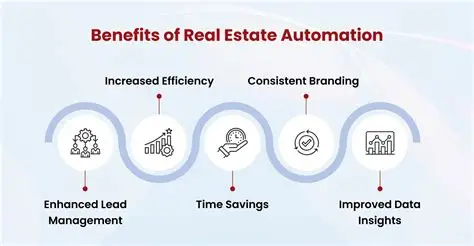
AI brings significant operational and strategic advantages:
1. Reduced compliance costs (up to 40%)
Automation eliminates high manual effort and expensive consulting fees.
2. Higher compliance accuracy
AI detects errors and anomalies that humans often miss.
3. Faster processes across the value chain
Documentation, verification, and reporting become instant.
4. Lower regulatory penalties and legal liabilities
Proactive monitoring ensures timely compliance.
5. Greater transparency for customers and investors
Helps build credibility and strengthen brand reputation.
6. Stronger resilience and risk management
Predictive analytics anticipate compliance breaches.
7. Scalability across projects and locations
Multiple developments can be managed from a single platform. Real estate companies that embrace AI now will outperform competitors in speed, efficiency, governance, and profitability.
Challenges to Overcome Before 2026
Although adoption is accelerating, real estate businesses must address:
1. Digital skill gap
Teams must adapt to AI-enabled workflows.
2. Legacy system limitations
Many firms still rely on outdated, non-integrated tools.
3. Data quality concerns
Clean, structured data is essential for accurate predictions.
4. Cybersecurity risks
AI-powered systems require strong protection.
5. Initial investment and change management
Automation adoption must be phased, not abrupt.
Despite these challenges, the long-term advantages outweigh short-term barriers.
Best Practices for Implementing AI-Driven Compliance in Real Estate
To leverage AI effectively in 2026, organizations must:
1. Start with high-risk, high-impact processes
KYC
Document verification
RERA reporting
Contract reviews
2. Build a strong data governance framework
Define ownership
Ensure data consistency
Implement access controls
3. Integrate AI tools with existing ERP/CRM systems
Ensure seamless workflow automation.
4. Train compliance, legal, and operations teams
Adoption succeeds only when people embrace the technology.
5. Establish measurable KPIs
Compliance accuracy
Time-to-compliance
Reduction in penalties
Audit readiness score
Conclusion
The compliance revolution in real estate is already underway and by 2026, AI-driven regulatory automation will become the industry standard. Real estate businesses that adopt advanced compliance technology will:
- Minimize regulatory risk
- Reduce operational costs
- Strengthen trust and transparency
- Improve investor confidence
- Accelerate project execution
- Protect themselves from legal disputes
- Build sustainable, future-ready organizations
The message is clear: 2026 will not just be another year! It will be the year when real estate compliance is completely redefined by AI. Organizations that prepare today will lead tomorrow.